
Thoracic Cancer Treatment in Delhi NCR
Advanced thoracic cancer surgery combining robotic precision, clinical expertise, and a commitment to better recovery outcomes.
Get Consultation
Connect with one the best robotic cancer surgeon in India for thoracic cancer treatment in Delhi
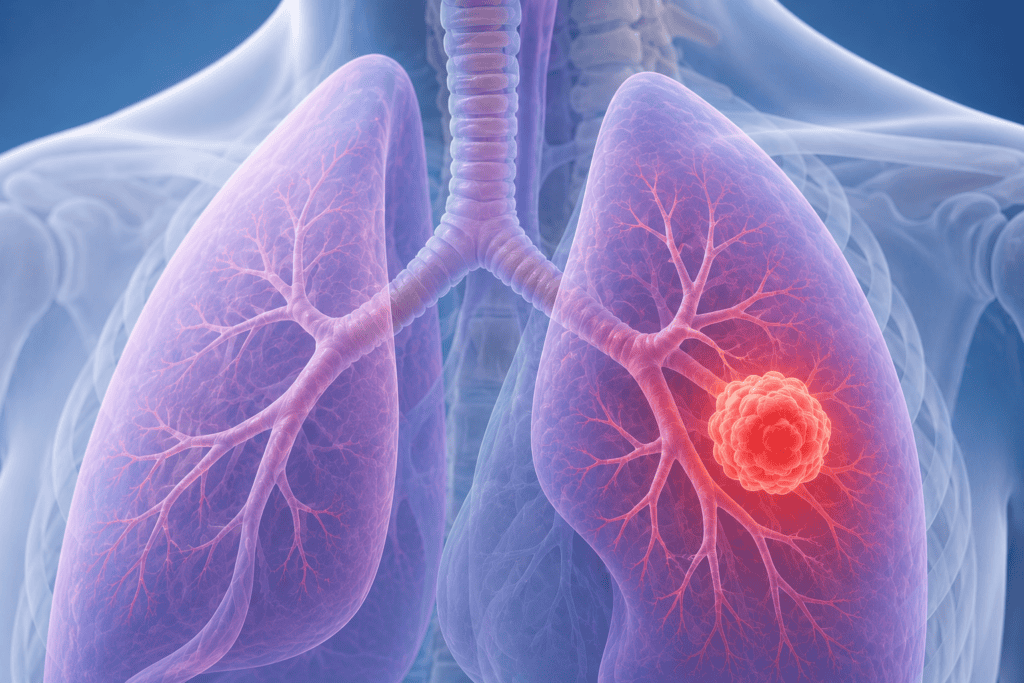
Thoracic Cancer
Precision-driven cancer care combining surgical excellence, robotic technology, and multidisciplinary expertise.
The chest cavity houses some of the body's most vital organs, the lungs, food pipe, and the structures surrounding the heart. Cancers that develop in this region can significantly affect breathing, swallowing, and overall quality of life. When these functions are at stake, the choice of surgeon and treatment approach matters enormously.
Dr. Surender Kumar Dabas is one of the Best Robotic Cancer Surgeons in India and among the most experienced Surgical Oncology & Robotic Surgery specialists, offering comprehensive Thoracic Cancer Treatment in Delhi NCR. With 22+ years of experience and more than 30,000 complex cancer surgeries performed, he brings together advanced surgical expertise, cutting-edge robotic technology, and a deeply patient-centred approach to care.
Thoracic cancer refers to cancers that develop within the chest cavity. These commonly include cancers of the: Lungs, Food pipe (Oesophagus), Thymus gland, Chest wall, Lining of the lungs (Pleura / Mesothelioma).
These cancers can significantly affect breathing, swallowing, and physical function. Recognising symptoms early and consulting an experienced Thoracic Cancer Specialist in Delhi NCR can significantly improve treatment outcomes.
Risk Factors for Thoracic Cancer
Certain factors can increase the risk of developing thoracic cancers:
Smoking, tobacco use, and secondhand smoke exposure
HPV infection and GERD (linked to oesophageal cancer)
Chronic lung disease (COPD, pulmonary fibrosis)
Asbestos, silica, and occupational chemical exposure
Family history of lung or thoracic cancer
Previous radiation therapy to the chest
Symptoms of Thoracic Cancer You Should Not Ignore
Early detection makes a real difference in thoracic cancer outcomes. Speak to a specialist if you or a loved one experiences any of the following for more than two weeks:
A persistent cough that does not resolve
Coughing up blood or blood-stained mucus
Unexplained breathlessness or shortness of breath
Chest pain or tightness
Hoarseness or persistent change in voice
Difficulty swallowing
Recurring chest infections or pneumonia
Swelling of the face, neck, or arms
Unexplained weight loss and loss of appetite
These symptoms do not always mean cancer, but they should never be ignored. Early evaluation by an experienced Thoracic Cancer Doctor can make all the difference.

How Is Thoracic Cancer Diagnosed?
Accurate diagnosis is the foundation of effective treatment. The diagnostic process at Dr. Dabas's typically includes:
Clinical Examination A thorough assessment of breathing, chest symptoms, and overall health to identify any concerning findings.
Bronchoscopy A flexible camera is passed through the airways to directly examine the lungs and collect tissue samples from suspected areas.
Endoscopy / Endoscopic Ultrasound (EUS) Used particularly in oesophageal cancer evaluation to assess tumour depth and lymph node involvement.
Biopsy A small tissue sample is taken and examined under a microscope to confirm the diagnosis and identify the exact cancer type and subtype.
Advanced Imaging Depending on the case, imaging studies may include:
- CT Scan of the chest
- PET-CT Scan
- MRI Scan
- Chest X-Ray
These help determine the exact size and location of the tumour, whether lymph nodes are involved, and whether the cancer has spread elsewhere.
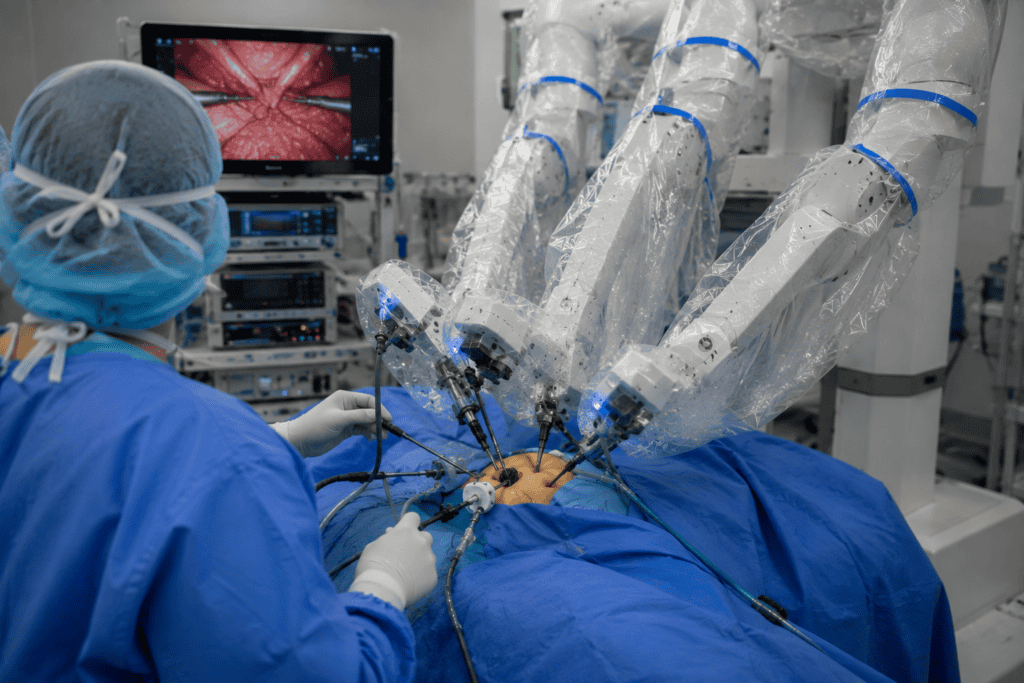
Robotic Surgery for Thoracic Cancer
Advances in surgical technology have transformed thoracic cancer surgery. As one of India's foremost experts in Robotic Cancer Surgery, Dr. Surender Dabas offers robotic thoracic surgical options that combine exceptional precision with a significantly less invasive approach.
Potential Benefits of Robotic Surgery for Thoracic Cancer Patients
- Smaller incisions compared to open chest surgery
- Reduced blood loss during surgery
- Less post-operative pain
- Faster recovery and earlier return to daily activities
- Shorter hospital stay
- Better preservation of surrounding healthy tissue
- Reduced risk of surgical complications
- Improved cosmetic outcomes
Is Robotic Surgery the Right Option for Every Patient?
Robotic surgery is not suitable for all patients. The right approach depends on factors including tumour size, location, cancer stage, lung function, and overall treatment goals. During consultation, Dr. Surender Dabas will assess your case in detail and recommend the most appropriate treatment plan, whether that involves robotic surgery, conventional surgery, or a combination of treatments.
The Dr. Dabas Approach to Thoracic Cancer Care
Effective cancer treatment goes beyond removing a tumour. Dr. Surender Kumar Dabas follows a comprehensive, patient-centred approach built on:
Accurate diagnosis using advanced imaging, bronchoscopy, and pathology
Personalised treatment planning tailored to each patient's cancer, health, and priorities
Advanced surgical expertise including robotic, video-assisted, and open thoracic surgery
Multidisciplinary coordination with pulmonologists, medical oncologists, radiation oncologists, and rehabilitation specialists
Lung-preserving surgery wherever feasible, to protect respiratory function and quality of life
Rehabilitation support including breathing exercises, physiotherapy, and nutritional guidance
Why Patients Choose Dr. Surender Dabas?
Where to Consult Dr. Surender Dabas?
You can consult Dr. Surender Dabas, one of the best surgical oncologists in India, at
Manipal Hospital, Dwarka, Delhi
A leading tertiary care centre with advanced diagnostics, modern operation theatres, and comprehensive oncology services. Dr. Dabas consults and operates here regularly, offering patients in Delhi access to world-class cancer care close to home.
Manipal Jivisha Cancer Centre, Sonipat
A dedicated cancer care centre providing multidisciplinary treatment planning, advanced oncology services, and personalised cancer management for patients across Delhi NCR and Haryana.
Recovery After Thoracic Cancer Treatment
Recovery looks different for every patient and depends on the type and extent of treatment. Most patients benefit from a structured recovery programme that may include:
Breathing exercises and pulmonary rehabilitation
Physiotherapy to restore chest mobility and strength
Swallowing therapy (following oesophageal surgery)
Nutritional guidance and dietary support
Psychological support and counselling
Get Your Consultation
Frequently Asked Questions
Everything you need to know before your consultation
What are the early signs of thoracic cancer? expand_more
Early signs may include a persistent cough, breathlessness, chest pain, coughing up blood, hoarseness, or difficulty swallowing. Many thoracic cancers are asymptomatic in early stages making regular health checks important for high-risk individuals. Any symptom lasting more than two weeks should be evaluated by a specialist.
Which doctor should I consult for thoracic cancer treatment in Delhi NCR? expand_more
Consult an experienced Thoracic Cancer Specialist or surgical oncologist with expertise in lung, oesophageal, and chest tumours. Dr. Surender Kumar Dabas is widely regarded as the Best Robotic Cancer Surgeon in Delhi NCR with over two decades of specialist experience in thoracic and Robotic Cancer Surgery.
Can thoracic cancer be treated with robotic surgery? expand_more
Yes, for selected patients. Robotic Surgery for Thoracic Cancer, including robotic lung resection, robotic oesophagectomy, and robotic thymectomy, can offer improved precision, smaller incisions, faster recovery, and better preservation of surrounding healthy tissue compared to conventional open surgery
What is robotic lung surgery? expand_more
Robotic lung surgery (also called VATS or robotic lobectomy) is a minimally invasive procedure that allows the surgeon to remove the affected lung lobe or segment through small keyhole incisions, without a large open chest cut. It offers faster recovery, less pain, and reduced hospital stay compared to conventional surgery.
How is thoracic cancer diagnosed? expand_more
Diagnosis typically involves clinical examination, CT scan, PET-CT scan, bronchoscopy, biopsy, and pulmonary function tests. Endoscopic ultrasound may also be used for oesophageal cancer staging.
Is robotic surgery better than open surgery for thoracic cancer? expand_more
For the right patient, Robotic Cancer Surgery can offer real advantages, smaller incisions, reduced blood loss, faster recovery, and less post-operative pain. Whether robotic surgery is appropriate depends on individual factors assessed during consultation.
How long does recovery take after thoracic cancer surgery? expand_more
Recovery varies depending on the type and extent of surgery. Many patients resume light activities within a few weeks, though full recovery, particularly after oesophagectomy or complex lung surgery, may take longer. Your care team will guide you through every stage.
What affects the outcome of thoracic cancer treatment? expand_more
Key factors include cancer type, stage at diagnosis, lung function, overall health, and the experience of the treating surgical team. Early detection and treatment at a high-volume specialised centre generally leads to significantly better outcomes.
Where can I get advanced thoracic cancer treatment in Delhi NCR? expand_more
Dr. Surender Kumar Dabas offers comprehensive Thoracic Cancer Treatment at Manipal Hospital Dwarka and Manipal Jivisha Cancer Centre, Sonipat. To book a consultation, call 8796173403.
Where can I get advanced thoracic cancer treatment in Gurgaon? expand_more
Dr. Surender Kumar Dabas, one of the Best Robotic Cancer Surgeons in Gurgaon, offers comprehensive Thoracic Cancer Treatment at Manipal Hospital Dwarka and Manipal Jivisha Cancer Centre, Sonipat. To book a consultation, call 8796173403.
Where can I get advanced thoracic cancer treatment in Faridabad? expand_more
Dr. Surender Dabas is regarded as one of the best thoracic cancer surgery specialists serving Faridabad. Patients can consult him at Manipal Hospital, Dwarka and Manipal Jivisha Cancer Centre, Sonipat for comprehensive Thoracic Cancer Treatment in Delhi NCR. To book an appointment, call 8796173403.
Where can I get advanced thoracic cancer treatment in Meerut? expand_more
Patients from Meerut can access world-class thoracic cancer care by consulting Dr. Surender Kumar Dabas, regarded as the best robotic cancer surgeon in Meerut, at Manipal Hospital Dwarka or Manipal Jivisha Cancer Centre. Call 8796173403.
Where can I get advanced thoracic cancer treatment in Rohtak? expand_more
Dr. Surender Dabas is recognised as a top robotic cancer surgeon in Rohtak and the wider Haryana region. Patients from Rohtak can consult him at Manipal Hospital Dwarka or Manipal Jivisha Cancer Centre, Sonipat. Call 8796173403.
Where can I get advanced thoracic cancer treatment in Muzaffarnagar? expand_more
Patients from Muzaffarnagar seeking advanced thoracic cancer care can consult Dr. Surender Kumar Dabas, a leading robotic cancer surgeon in Muzaffarnagar, at Manipal Hospital Dwarka or Manipal Jivisha Cancer Centre. Call 8796173403.
Where can I get advanced thoracic cancer treatment in Panipat? expand_more
Patients from Panipat can consult Dr. Surender Kumar Dabas at Manipal Jivisha Cancer Centre, Sonipat, conveniently close to Panipat, or Manipal Hospital Dwarka, Delhi, for comprehensive Thoracic Cancer Treatment. Call 8796173403.
Where can I get advanced thoracic cancer treatment in Sonipat? expand_more
Manipal Jivisha Cancer Centre in Sonipat is one of Dr. Surender Dabas's key operating centres. Patients from Sonipat can access expert Thoracic Cancer Treatment locally. Call 8796173403.
What is the cost of thoracic cancer treatment in Delhi with robotic surgery? expand_more
The cost of Thoracic Cancer Treatment with robotic surgery varies depending on cancer type and stage, procedure complexity, hospital stay, and whether additional treatments such as chemotherapy or radiation therapy are required. A detailed cost estimate is provided following consultation and review of medical reports.